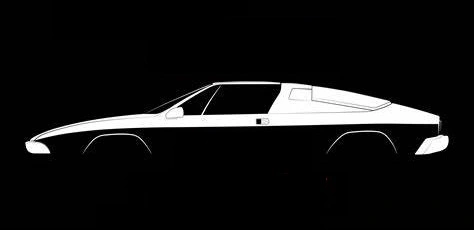





Extreme lightweight, pure performance
History
Unveiled at the 2010 Paris Motor Show, the Lamborghini Sesto Elemento was not designed for public roads — it was built for the racetrack, for the thrill, and as a showcase of Lamborghini'sfuture in materials science. “Sesto Elemento” means “Sixth Element” in Italian, referencing carbon on the periodic table — the key to this car’s defining feature: extreme lightweight
construction. The project was developed under the leadership of Stephan Winkelmann, with design by Filippo Perini, and it symbolized a new level of performance through weight reduction
rather than horsepower alone.
Design
The entire car is a carbon fiber masterpiece. From the monocoque chassis to the suspension components, body panels, and even the propeller shaft, carbon fiber reinforced plastics (CFRP) wereused extensively. Weighing just 999 kg (2,202 lbs), the Sesto Elemento is lighter than a small hatchback, yet it's powered by a 570 hp 5.2L V10 engine from the Gallardo Superleggera.
The exterior is aggressively angular, with matte-finish naked carbon bodywork, open hexagonal vents, and large rear fins. The engine is exposed, and the dual red exhausts exit upward through
the rear deck. Inside, there’s no upholstery, no radio, and no airbags — just raw, purposeful performance and weight saving.
Driving Experience
With a 0–100 km/h (0–62 mph) time of just 2.5 seconds, the Sesto Elemento accelerates faster than most hypercars. The all-wheel-drive system, race-tuned suspension, and 6-speed e-gear transmissionensure that the car feels planted, responsive, and violently fast on track.
Because it's not road-legal, it was limited to track use only, making it a collector's dream and a rare sight even at private events. Only 20 units were produced, all pre-sold to Lamborghini’s most
exclusive clientele.
Fun Facts
- The Sesto Elemento's air intakes are shaped like volcanoes — a design inspired by raw energy and speed.
- Its seats are integrated directly into the chassis, meaning the driving position is adjusted by moving the steering wheel and pedals.
- At the time, it was the most advanced use of carbon fiber in any production vehicle.
- Lamborghini never offered it for road use — reinforcing the car’s purpose as a technology demonstrator and track weapon.
- Despite the radical looks, it shares core mechanical components with the Gallardo, making it somewhat “familiar” under the wild skin.


Specifications
| Category | |
|---|---|
| Production | 2010 Paris Motor Show |
| Build | 20 units |
| Designer | Filippo Perini at Lamborghini Design Center |
| Engine | 5.2L V12, naturally aspirated |
| Power Output | 570 hp |
| Torque | |
| Transmission | 6-speed automated manual transmission |
| Drive Type | All-Wheel Drive (AWD) |
| Acceleration (0-100 km/h / 0-62 mph) | 2.5 seconds |
| Top Speed | approximately 337 km/h (210 mph) |
| Length | 4580 mm (180.3 in") |
| Width | 2040 mm (80.3 in) |
| Height | 1135 mm (44.7 in) |
| Wheelbase | 2560 mm (100.8 in) |
| Weight | 999 kg (2202 lbs) |
| Fuel Capacity | |
| Wheel Type | |
| Front and rear tires | |
| Tires | |
| Chassis |