



An Unlikely Partnership
A Bold Idea
In the early 1970s, BMW was gaining momentum in motorsport with its CSL “Batmobile” coupes, but the brand lacked a true mid-engined supercar that could challenge Ferrariand Porsche on the road and track. To fast-track the project and gain access to expertise in exotic car construction, BMW sought help from an unexpected partner: Lamborghini.
The BMW-Lamborghini Agreement
In 1975, BMW Motorsport GmbH, under the direction of Jochen Neerpasch, began working on a mid-engined supercar for Group 4 racing homologation. The car would need to be builtin at least 400 road-going units within 24 months. Lamborghini was contracted to engineer the chassis, assemble the cars in Sant’Agata Bolognese, and use its experience in
composite materials and small-series production.
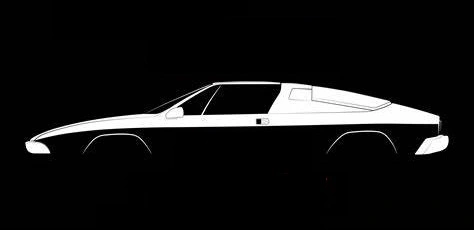
The project looked promising. Lamborghini designed a tubular steel spaceframe chassis, and the striking body was penned by Giorgetto Giugiaro at Italdesign, drawing inspiration
from the 1972 BMW Turbo concept by Paul Bracq. The M1 was to be powered by a BMW-developed 3.5-liter inline-six engine with dry sump lubrication and up to 277 hp in road trim.
Trouble in Sant’Agata
Unfortunately, Lamborghini was experiencing severe financial difficulties during this time. Internal management issues, labor strikes, and lack of funding led to massive delays.Lamborghini was simply unable to fulfill its production commitments. After multiple missed deadlines, BMW had no choice but to take control of the project.
BMW canceled the agreement with Lamborghini and transferred the assembly process to Germany. The chassis production was reassigned to Marchesi in Modena, the fiberglass bodies were
built by TIR in Italy, final assembly was handled by Baur in Stuttgart, and quality control was completed at BMW Motorsport in Munich.
The Final Result
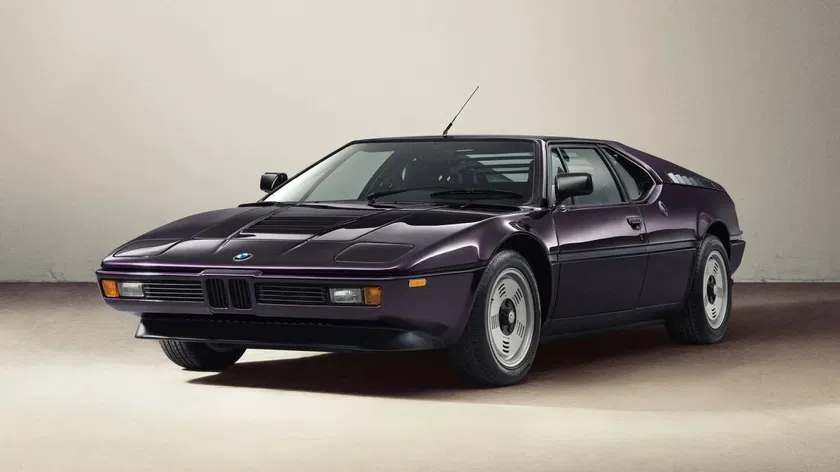
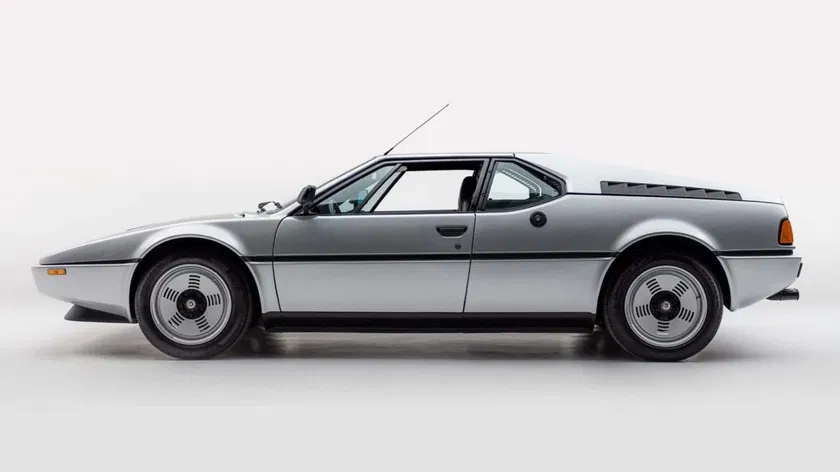
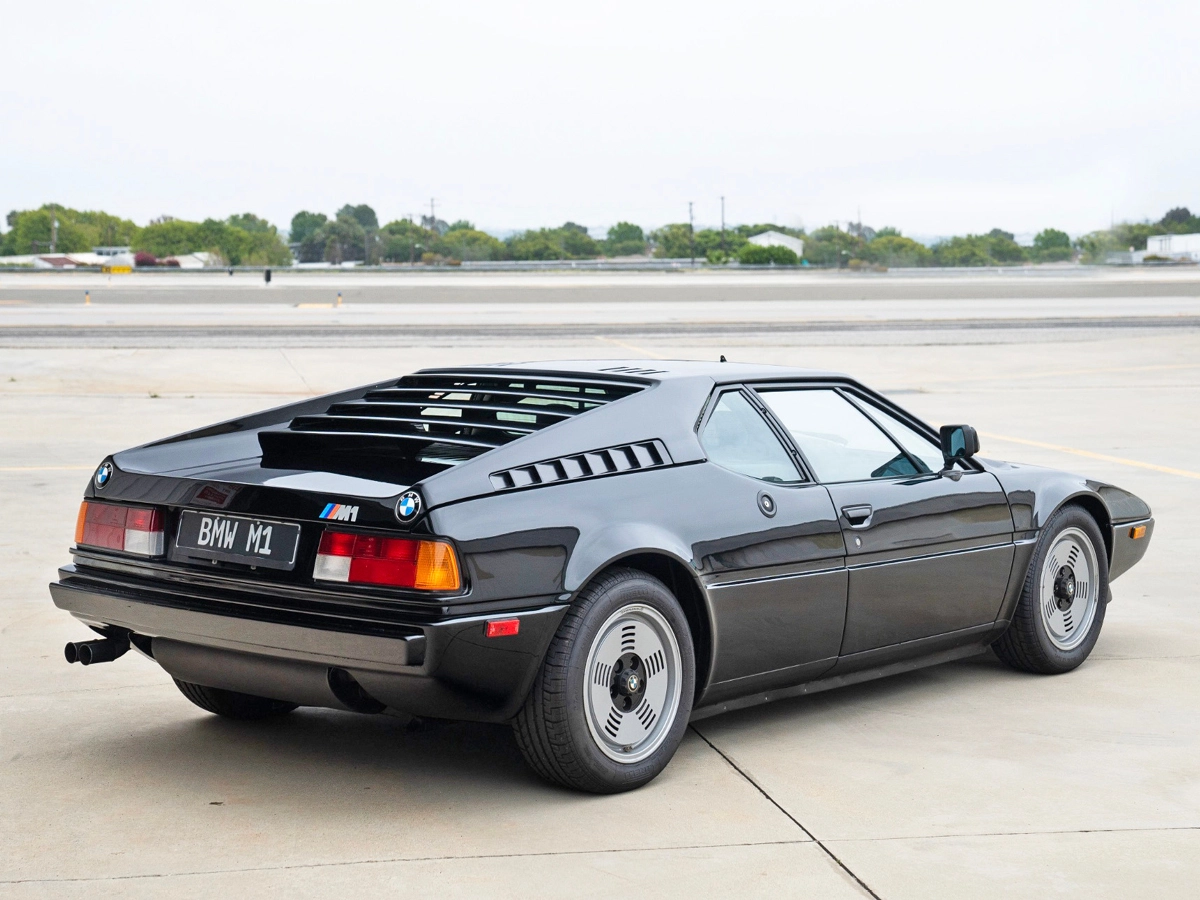
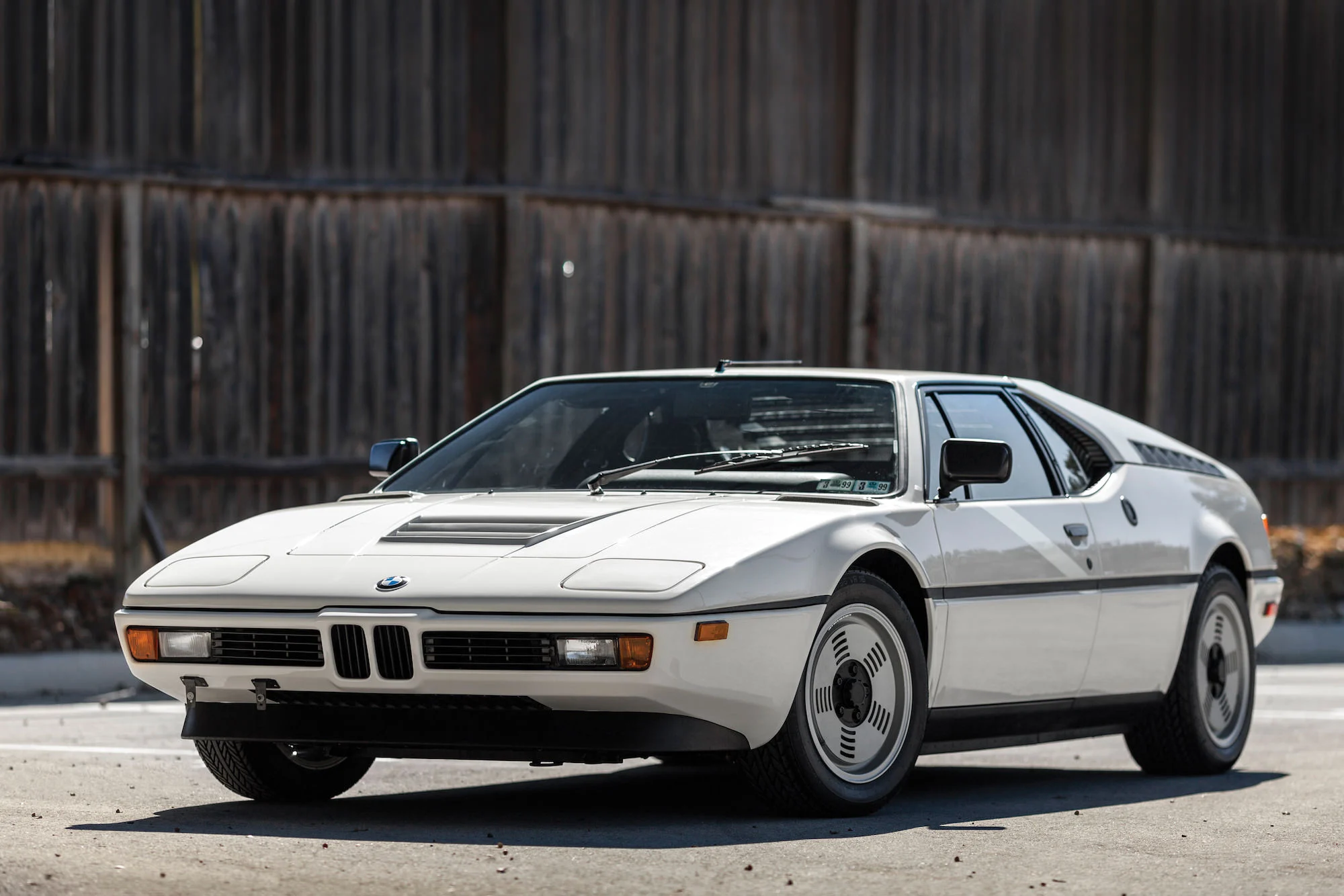
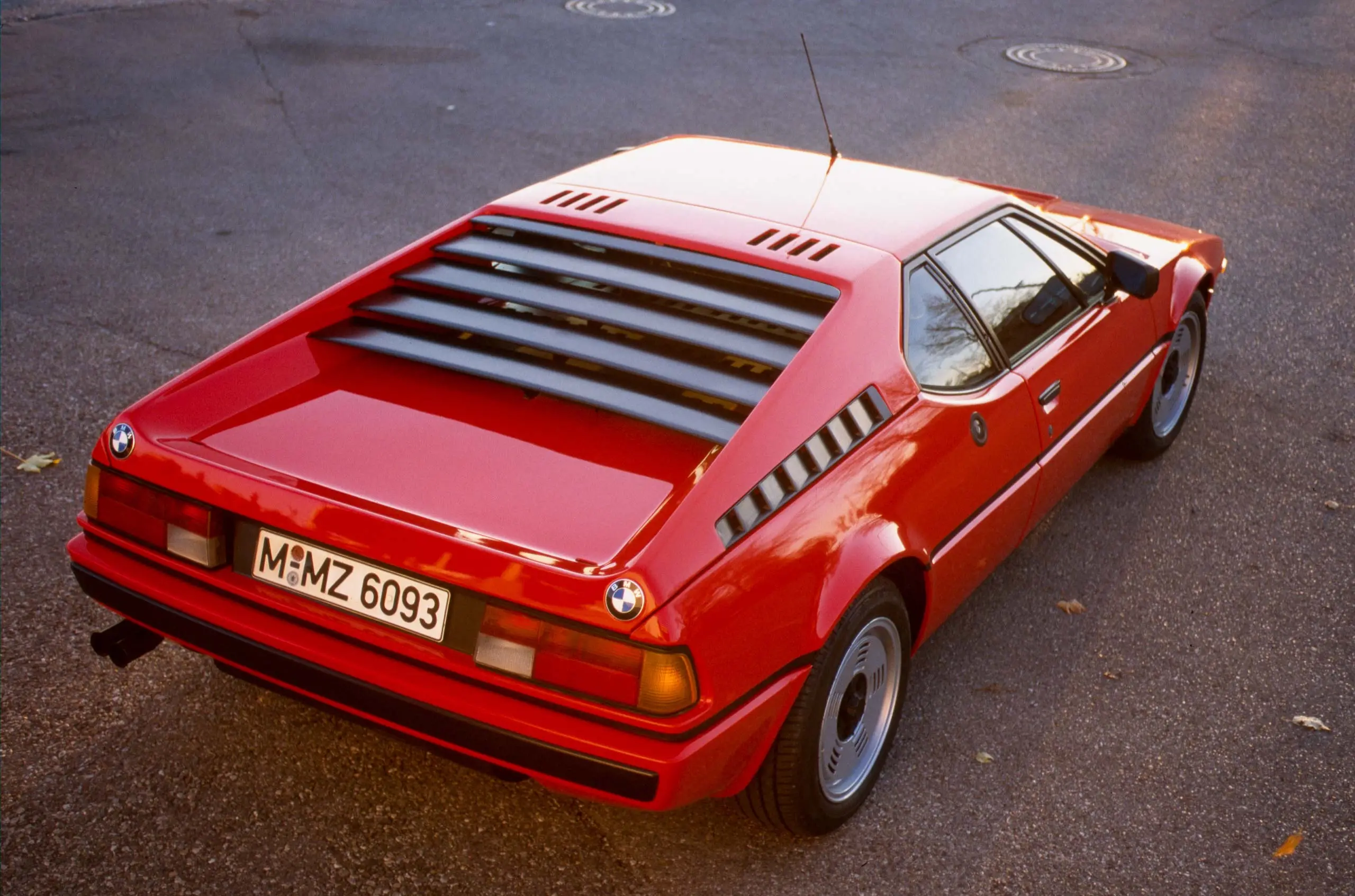
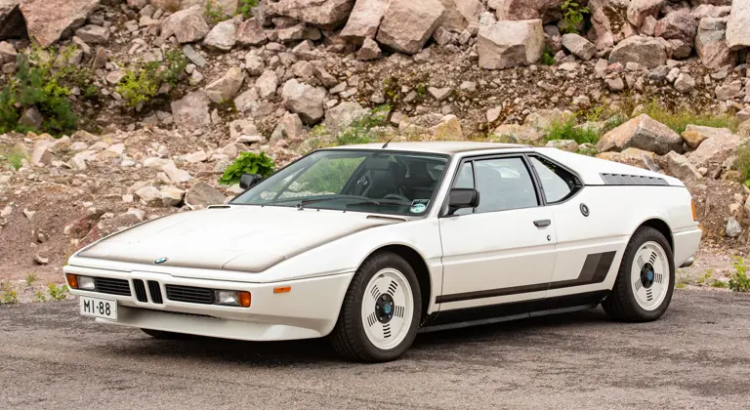
Despite the rocky start, the BMW M1 was finally unveiled in 1978. It was a striking and capable machine — the only true supercar BMW has ever built. The M1 featured:A 3.5L M88/1 inline-six engine producing 277 hp (204 kW)
A top speed of over 260 km/h (162 mph)
A timeless wedge design by Italdesign
Exceptional handling thanks to its mid-engine layout and racing pedigree
Only 453 units were built between 1978 and 1981, making the M1 a rare collector’s item today.
Legacy and Curiosities
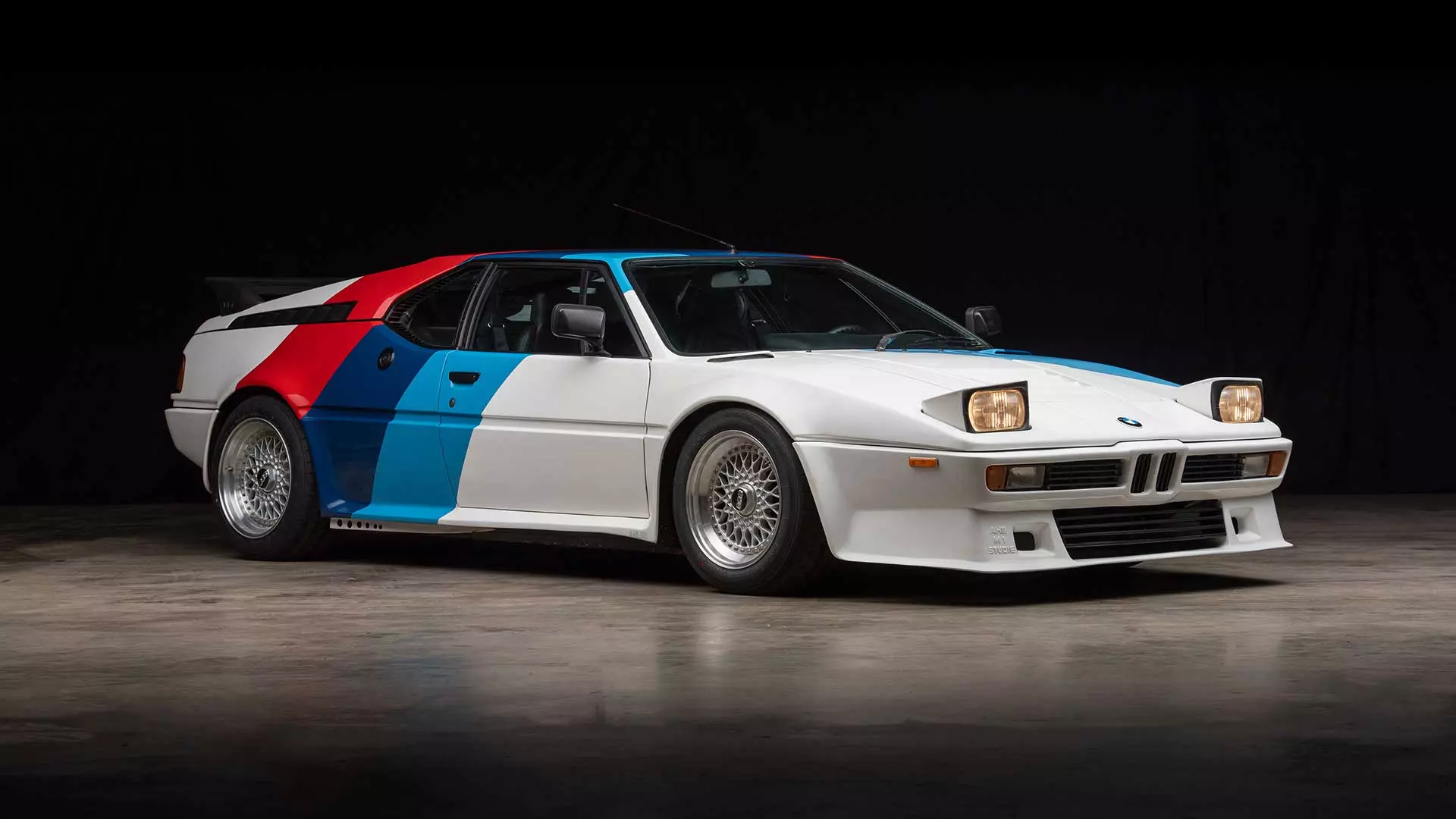
The BMW M1 never achieved great racing success due to changing FIA homologation rules, but it gave birth to the iconic Procar Championship — a one-make series where Formula 1 driversraced identical M1s during F1 weekends.
As for Lamborghini, the M1 project was one of several abandoned or failed ventures during a turbulent period. Still, it left an intriguing mark on Lamborghini’s engineering legacy,
showing what could have been had the partnership flourished.
A Missed Opportunity
The story of the BMW M1 and Lamborghini is a tale of ambition, innovation, and the complications of cross-border collaboration. It’s a rare example of two iconic carmakersintersecting, — briefly, chaotically, but memorably. Though Lamborghini never got to finish what it started, its fingerprints remain subtly embedded in one of BMW’s most revered cars.
Note:A racing version of the M1, known as the BMW M1 Procar, was developed for a one-make championship that supported Formula 1 events in 1979 and 1980. These cars
featured modified M88/1 engines producing up to 470 hp, extensive weight reduction, and track-specific aerodynamics.
Specifications
| Category | |
|---|---|
| Production | 1978–1981 |
| Build | 453 units |
| Designer | Giorgetto Giugiaro (Italdesign) |
| Engine | 3.5L M88/1 inline-6, DOHC, 24 valves |
| Power Output | 277 hp (204 kW) @ 6,500 rpm |
| Torque | 330 Nm (243 lb·ft) @ 5,000 rpm |
| Transmission | 5-speed manual (ZF) |
| Drive Type | Rear wheel drive (RWD) |
| Acceleration (0-100 km/h / 0-62 mph) | 5.6 seconds |
| Top Speed | 262 km/h (162.8 mph) |
| Length | 4359 mm (171.6 in) |
| Width | 1824 mm (71.8 in) |
| Height | 1138 mm (44.8 in) |
| Wheelbase | 2,560 mm (100.8 in) |
| Weight | 1,300 kg (2,866 lbs) |
| Fuel Capacity | 105 liters (27.7 US gal) |
| Wheel Type | 16 inch Campagnolo alloy wheels |
| Front and rear tires | Front: 205/55 VR16, Rear: 225/50 VR16 |
| Tires | Pirelli P7 |
| Chassis | Tubular steel spaceframe with Fiberglass (GRP) panels |
| Front Suspension | Independent, double wishbones, coil springs, telescopic dampers, anti-roll bar |
| Rear Suspension | Independent, double wishbones, coil springs, telescopic dampers, anti-roll bar |
| Brakes | Ventilated disc brakes (front & rear) |