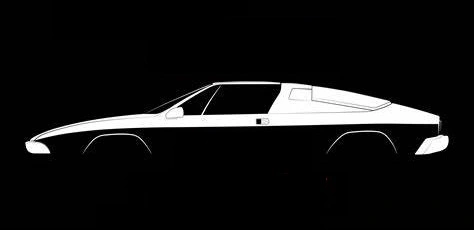




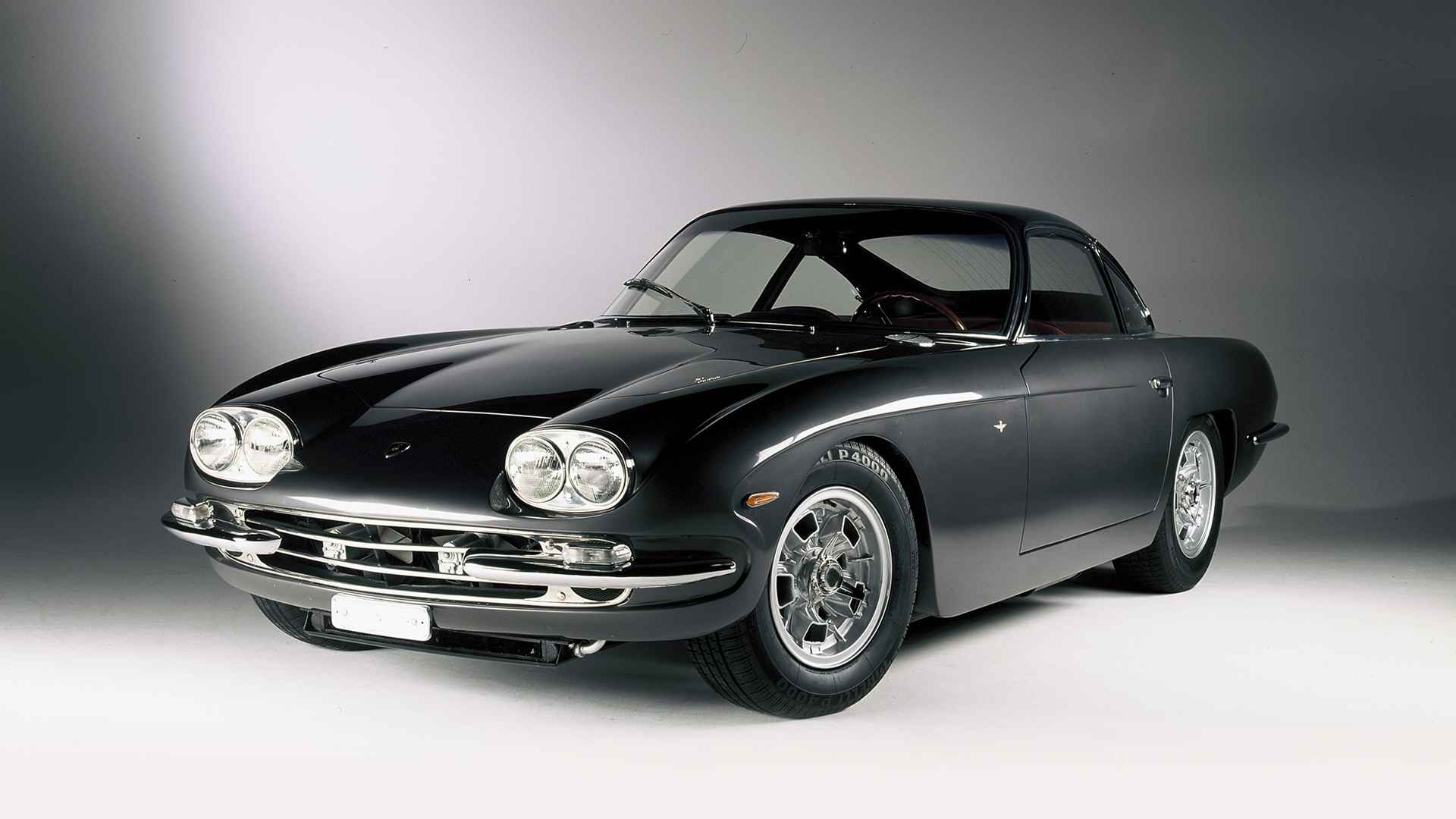
The Refined Grand Tourer That Cemented a Legacy
History : Maturity, Refinement, and Growing Confidence
Following the success of the 350 GT, Lamborghini set out to create a grand tourer that was more powerful, more refined, and more practical. The result was the 400 GT—initially introducedas the 400 GT Interim, and later evolving into the 400 GT 2+2 with subtle design revisions and an expanded seating layout. Production began in 1966, as Lamborghini positioned itself
directly against Ferrari in the competitive grand touring segment.
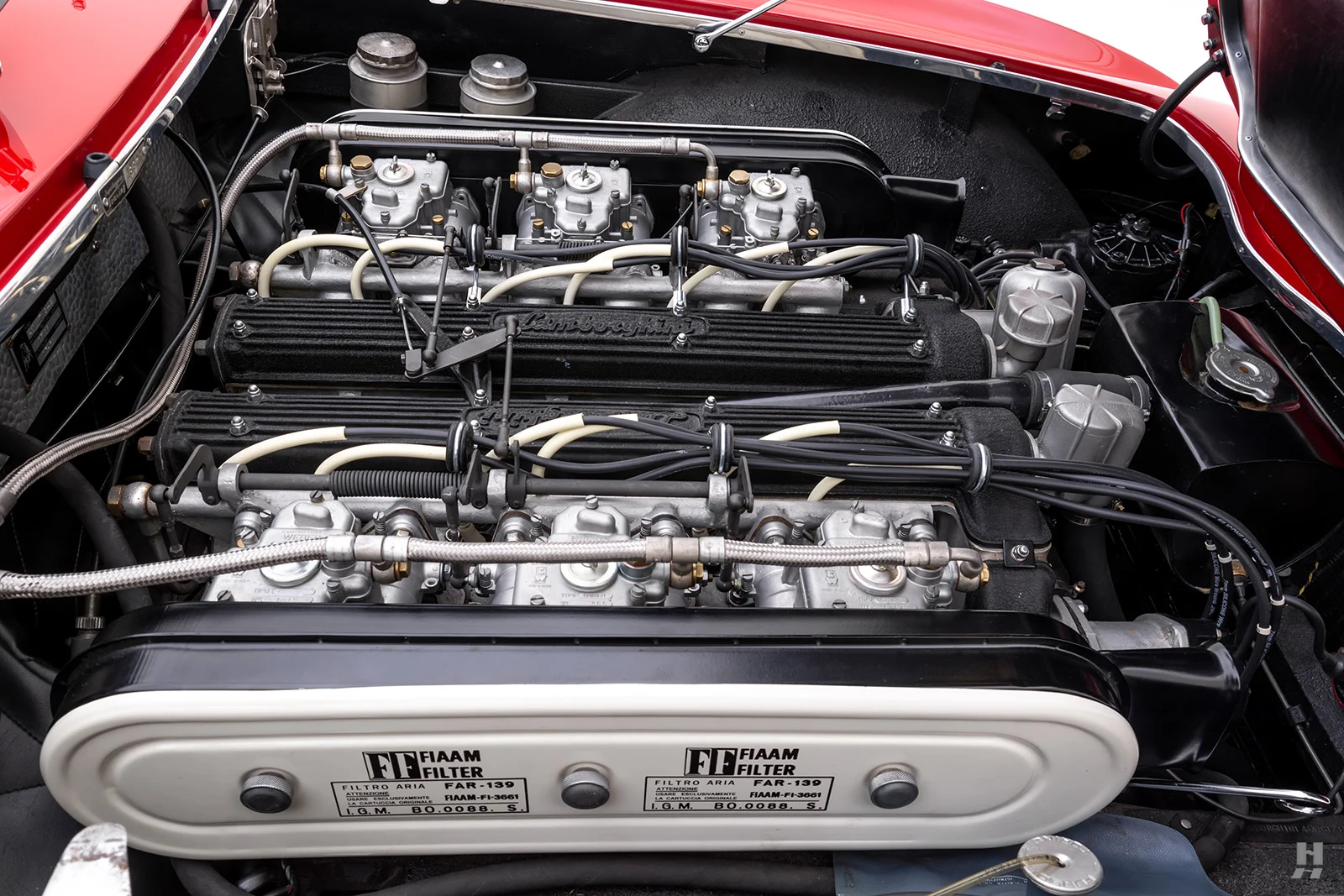
Retaining the elegant Touring-designed body, the 400 GT introduced a larger 3.9-liter V12, delivering smoother power and greater flexibility. Early “Interim” models were essentially
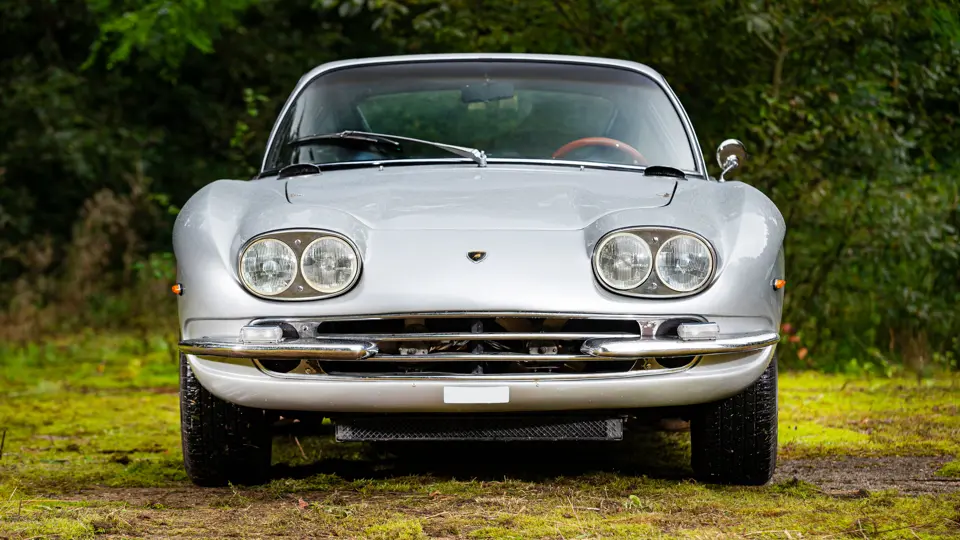
updated 350 GTs fitted with the larger engine and minor refinements, while the later 2+2 version featured a slightly taller roofline, revised rear section, and shared twin round headlamps
in place of the earlier oval units.
With total production of approximately 250 examples across all variants, the 400 GT remains a rare and significant model. More importantly, it solidified Lamborghini’s reputation as a
manufacturer capable of producing luxurious, high-performance grand tourers with consistency and confidence.
Design : Evolution without Compromise
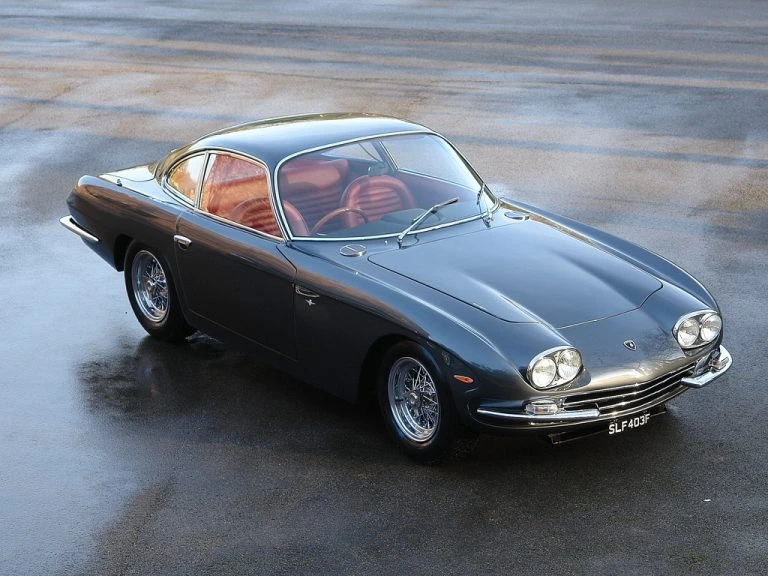
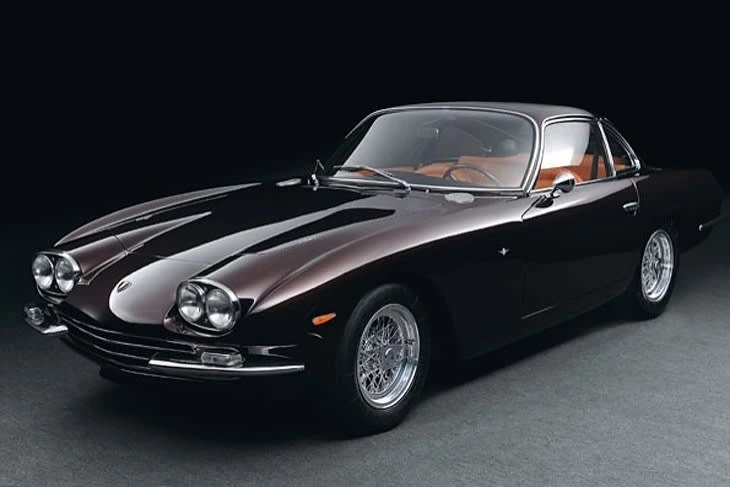
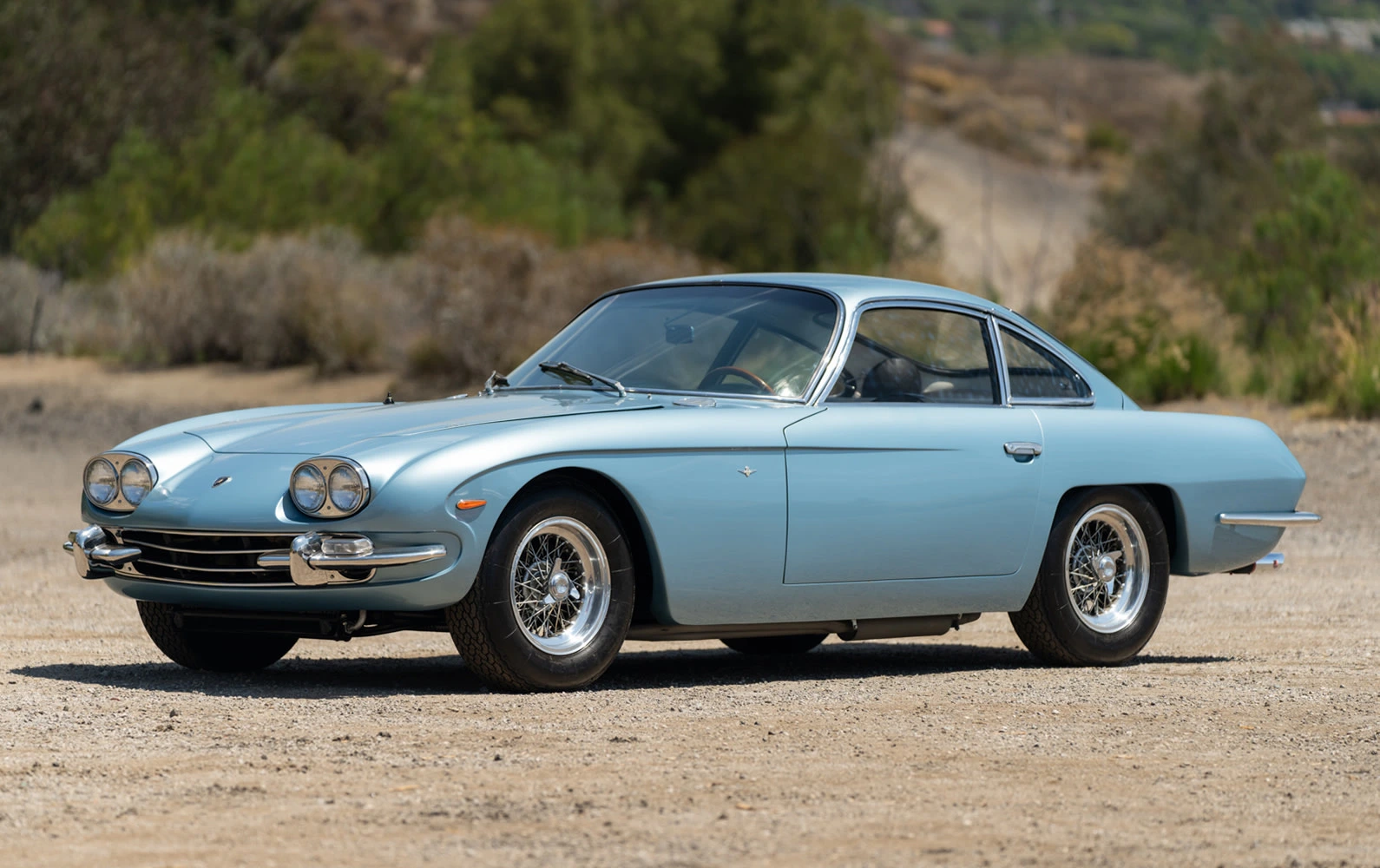
The design of the 400 GT represented a natural evolution of the 350 GT, preserving its graceful proportions and understated elegance. Carrozzeria Touring carefully refined the originallines to accommodate the new 2+2 layout, subtly raising the roof while maintaining a smooth, aerodynamic profile. The adoption of twin round headlamps gave the front end a more assertive
and contemporary appearance.
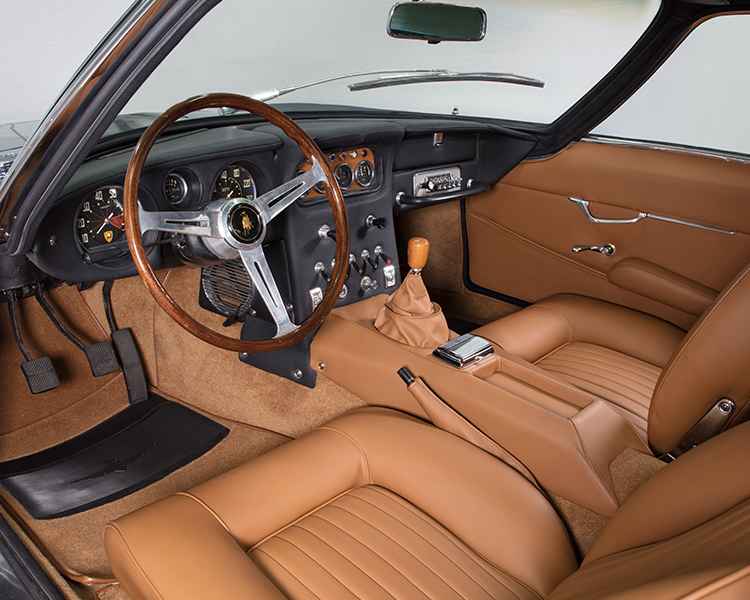
Chrome detailing, clean body surfaces, and the long front hood emphasized the classic front-engine GT layout, while the compact rear maintained a sporting stance. Inside, the 400 GT offered
rich leather upholstery, wooden trim, and a traditional three-spoke steering wheel. The driver-focused dashboard featured large, legible instruments and refined switchgear, reflecting
Lamborghini’s ambition to rival the finest grand tourers from Maranello and beyond.
Driving Experience : Effortless Speed, Designed for the Open Road
More than a simple evolution, the 400 GT delivered a truly mature grand touring experience. Its 3.9-liter V12, originally developed by Giotto Bizzarrini, provided smooth and linearpower delivery, paired with a five-speed gearbox manufactured in-house by Lamborghini. The ride was composed and comfortable, yet the car retained a distinctly sporting character,
particularly at higher speeds.
The introduction of the 2+2 layout added genuine practicality, allowing owners to carry additional luggage—or even young passengers—on extended European journeys. Quiet and refined at
cruising speeds, the 400 GT revealed its full character when pushed, offering a deep V12 soundtrack and confident performance. It was a finely judged balance of performance and luxury.
Fun Facts : Quiet Milestones with Lasting Impact
- The 400 GT was the first Lamborghini to offer a true 2+2 seating configuration.
- Its V12 architecture would form the backbone of Lamborghini engines for decades, powering models such as the Miura, Countach, and Diablo.
- Many 400 GTs were hand-built to individual customer specifications, ensuring subtle differences between cars.
- British racing driver David Piper once described the 400 GT as one of the finest long-distance tourers of its era.
Legacy : The Final Step Before Revolution
Though often overshadowed by the revolutionary Miura that followed, the 400 GT played a crucial role in shaping Lamborghini’s early identity. It demonstrated that Ferruccio Lamborghiniwas committed to building world-class grand tourers that combined engineering excellence with Italian elegance. Its V12 engine would continue to power Lamborghini flagships for decades,
while its blend of refinement and performance influenced later models such as the Espada and Jarama.
Today, the 400 GT is regarded as a highly desirable classic, admired for its rarity, elegance, and historical importance. It represents the closing chapter of Lamborghini’s Touring-bodied
V12 grand tourers—and the bridge between refined gentlemen’s cars and the radical supercars that would soon redefine the brand.
Specifications
| Category | |
|---|---|
| Production | 1966 - 1968 |
| Build | ~250 (including Interim and 2+2 versions) |
| Designer | Carrozzeria Touring |
| Engine | 3.9L V12, naturally aspirated |
| Power Output | 320 hp (239 kW) @ 6500 rpm |
| Torque | 396 Nm (292 lb-ft) @ 4500 rpm |
| Transmission | 5-speed manual |
| Drive Type | Rear wheel drive (RWD) |
| Acceleration (0-100 km/h / 0-62 mph) | aprrox. 6.8 seconds |
| Top Speed | 250 km/h (155 mph) |
| Length | 4640 mm (182.7 in) |
| Width | 1730 mm (68.1 in) |
| Height | 1220 mm (48 in) |
| Wheelbase | 2550 mm (100.4 in) |
| Weight | 1620 kg (3571 lbs) |
| Fuel Capacity | 82 L (21.7 gallons) |
| Wheel Type | 15 inch Borrani wire wheels |
| Front and rear tires | 205 VR15 |
| Tires | Pirelli Cinturato or Michelin XWX |
| Chassis | Steel tubular frame (semi-monocoque), with steel body panels |
| Front Suspension | Independent, unequal-length wishbones, coil springs, telescopic dampers |
| Rear Suspension | Independent, lower wishbones, trailing arms, coil springs, telescopic dampers |
| Brakes | Four-wheel Girling disc brakes, servo-assisted |