



The Bold Concept That Never Was
History : A Radical Vision for the Future
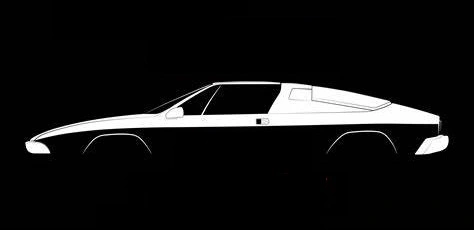
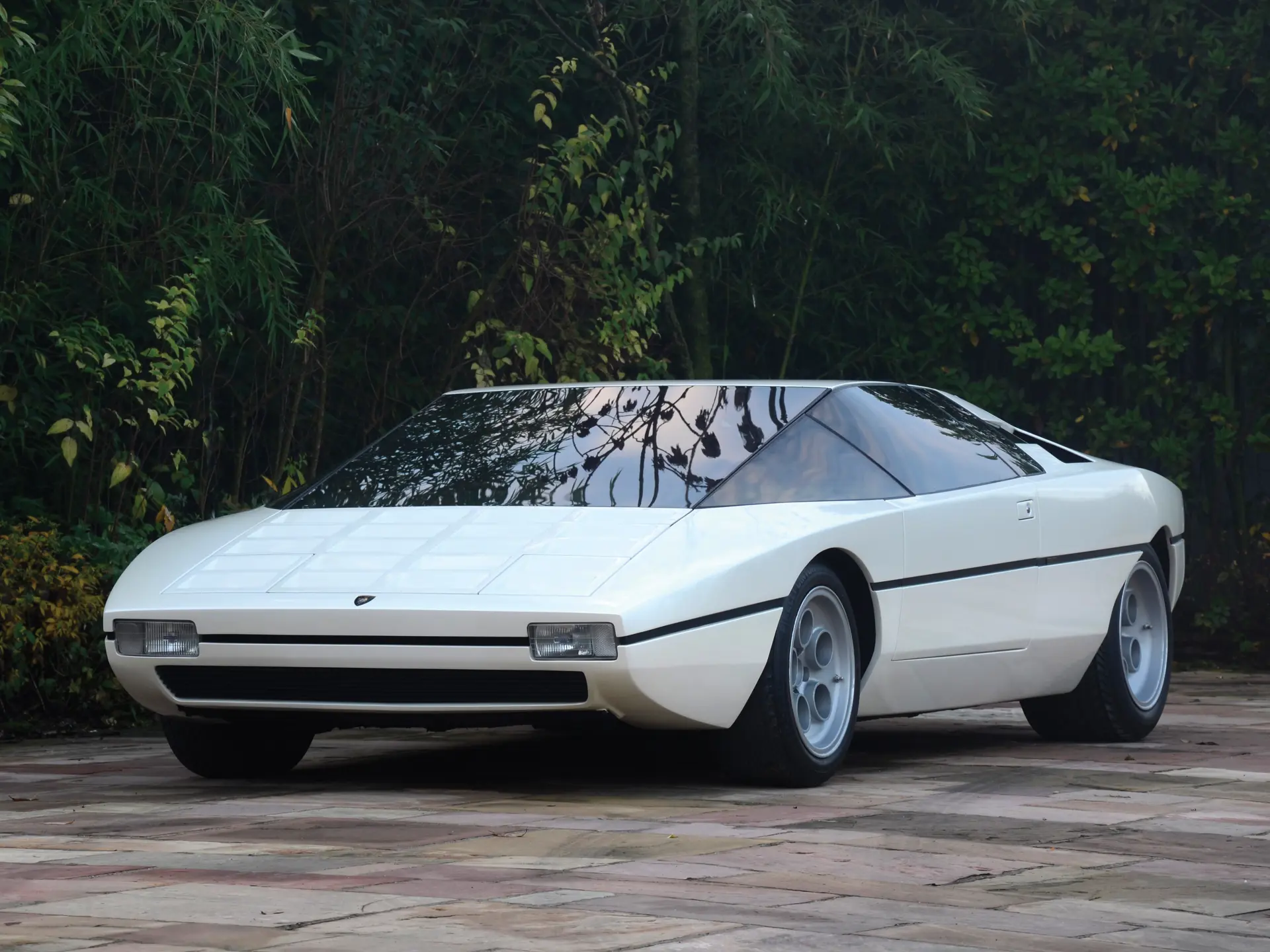
In 1974, Lamborghini and Bertone unveiled the Lamborghini Bravo, a striking prototype that hinted at a possible entry-level Lamborghini sports car.Designed by the legendary Marcello Gandini, the Bravo was meant to be a smaller, more affordable alternative to the Urraco. With its sharp wedge shape,
compact dimensions, and aggressive stance, the Bravo embodied the futuristic styling of the 1970s.
Built on the Urraco P300’s 3.0L V8 engine, the Bravo delivered 300 hp and promised an exhilarating driving experience. Unlike many concept cars, it was
not just for show, Lamborghini extensively tested it, putting over 40,000 km on the odometer. Despite its potential, the Bravo never reached production due to financial constraints, leaving behind a single prototype as a glimpse of what could have been.
Design : Wedge-shaped futurism inside and out
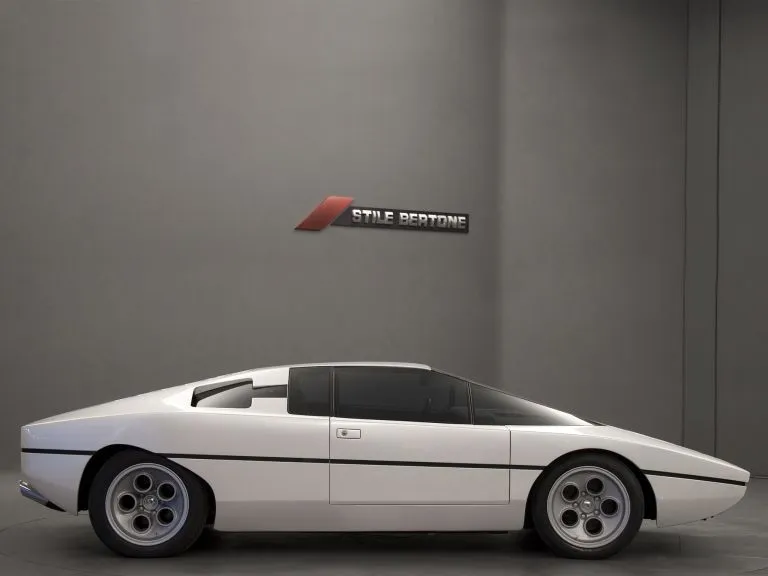
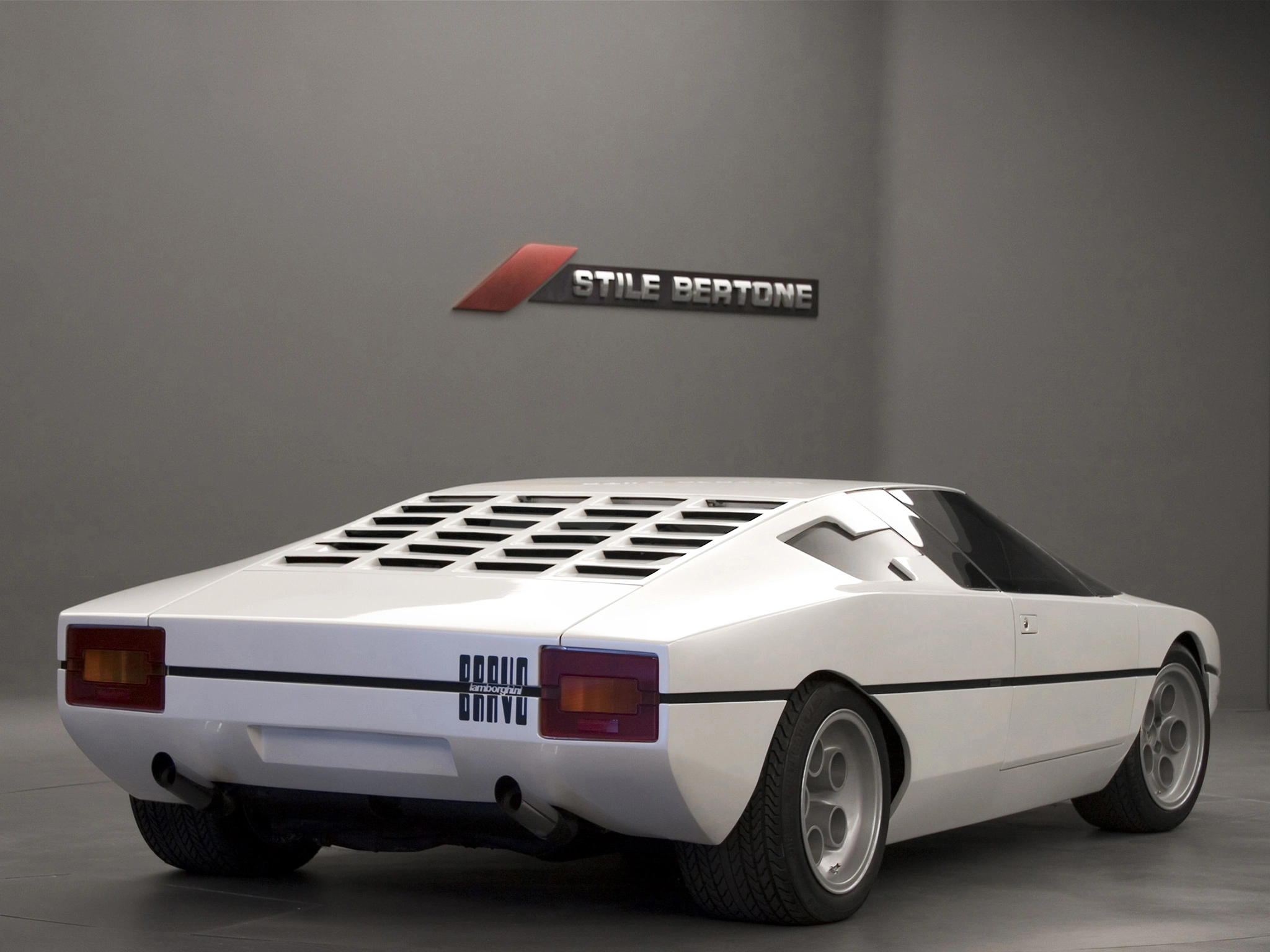
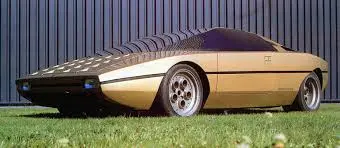
The Lamborghini Bravo is one of the most striking examples of 1970s automotive design futurism. Created by Marcello Gandini at Bertone, the car featured the era'scharacteristic wedge shape, with sharp, angular lines and bold geometric proportions. Its low-slung silhouette, with a height of just 1,070 mm, gave it an extreme,
almost spaceship-like stance. The bodywork was sculpted with precise creases and large, flush-mounted glass surfaces, including a dramatic set of trapezoidal side
windows that became one of its visual signatures.
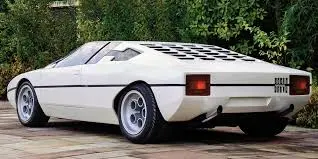
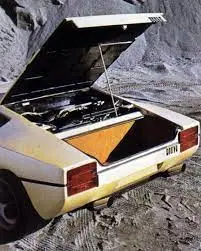
At the front, the Bravo sported hidden pop-up headlights and a minimalistic grille flanked by aggressive air intakes, while the rear featured a wide, flat design with
louvered vents and a recessed tail section, emphasizing the car's horizontal lines. The concept rode on five-spoke Campagnolo alloy wheels that matched its futuristic
look. The golden yellow paintwork shown on the debut model enhanced its bold presence and complemented its radical aesthetic.
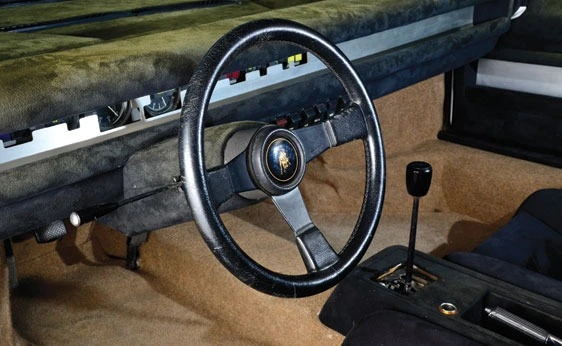
Inside, the Bravo’s cabin echoed the angular themes of the exterior. The dashboard was low and flat, with deeply set square instruments and tactile toggle switches arranged
in a clean, driver-oriented layout. The seats were thin yet supportive, designed with integrated headrests and wrapped in matching yellow upholstery, creating a unified
interior environment. Even the steering wheel followed a geometric theme, contributing to the car’s avant-garde feel. While spartan by today's standards, the Bravo's interior
was highly original, focusing more on visual impact and innovation than luxury.
Driving Experience : A Compact Missile on Wheels
As a concept car that was actually drivable, the Bravo received substantial road testing by Bertone. The driving dynamics were reported to be agile, with a low center of gravity and short wheelbase contributing to its nimbleness. Despite being a concept, the Bravo wasengineered with functional components, including independent suspension, making it closer to a pre-production prototype than a static showpiece.
Although the Bravo was never sold to the public, its lightweight chassis and powerful V8 hinted at an engaging drive. With a projected 0-100 km/h time of around 6 seconds
and a top speed of approximately 270 km/h (168 mph), the Bravo could have been a proper rival to the Ferrari Dino 308 GT4.
Its low-slung design and short wheelbase likely made it incredibly nimble, perfect for carving through tight corners.
Fun Facts : Little Know it All's
- The Bravo’s distinctive five-hole alloy wheels later inspired the design of wheels used on Lamborghini production models.
- Despite being a concept, it was subjected to over 40,000 km of testing, showing Lamborghini’s serious interest in its potential.
- The Bravo was intended to be an affordable Lamborghini, much like the later Gallardo and Huracán models.
- Today, the only Bravo prototype still exists and is preserved as part of the Bertone collection.
Legacy : The What-If Lamborghini
The Bravo remains one of Lamborghini’s most intriguing ‘what-if’ cars. Had it entered production, it could have given Lamborghini a strong contender in the smallsports car market of the 1970s. Instead, it remains an eye-catching relic of an era where daring design and bold innovation defined Lamborghini’s identity.
Would the Bravo have been a success if Lamborghini had built it? That’s a question only history can answer, but one thing is certain, it was yet another masterpiece
from Marcello Gandini that left enthusiasts dreaming of what could have been.
Specifications
| Category | |
|---|---|
| Production | 1974 – One-off concept car |
| Build | 1 unit |
| Designer | Marcello Gandini (Bertone) |
| Engine | 3.0 L V8, mid-mounted, transverse |
| Power Output | 300 hp (224 kW) @ 7,800 rpm |
| Torque | Approx. 275 Nm (203 lb-ft) |
| Transmission | 5-speed manual |
| Drive Type | Rear wheel drive (RWD) |
| Acceleration (0-100 km/h / 0-62 mph) | N/A (Prototype, not officially tested) |
| Top Speed | Estimated 280 km/h (174 mph) |
| Length | 3750 mm (147.6 in)) |
| Width | 1880 mm (74.0 in) |
| Height | 1,070 mm (42.1 in) |
| Wheelbase | 2,270 mm (89.4 in) |
| Weight | Approx. 1,085 kg (2,392 lbs) |
| Fuel Capacity | N/A |
| Wheel Type | Campagnolo 5-spoke alloy wheels |
| Front and rear tires | 195/50 R15 (front) - 215/60 R15 (rear) (approx., based on Urraco setup) |
| Tires | Period Pirelli CN36 (conceptual) |
| Chassis | Steel monocoque with integrated roll cage |
| Front Suspension | Independent double wishbones |
| Rear Suspension | Independent double wishbones |
| Brakes | Ventilated disc brakes (front and rear) |