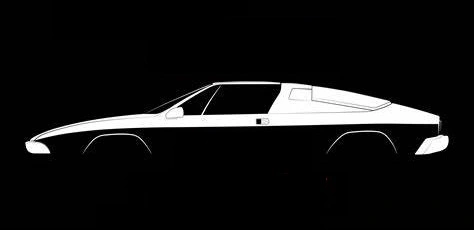




Lamborghini's True Hidden Gem
History : A V8 Vision for Everyday Rebels
In the early 1980s, Lamborghini was eager to expand its reach beyond the outrageous V12 flagships. The brand needed a more accessible, livable exotic—a car thatcould blend raw Italian passion with everyday usability. Enter the Jalpa. Introduced in 1981 at the Geneva Motor Show, it was the final evolution of the Urraco-Silhouette
lineage and the last Lamborghini to be powered by a V8.
The Jalpa was designed to take on the likes of the Ferrari 308 and Porsche 911, offering a uniquely aggressive wedge shape with a removable targa roof and a roaring 3.5L V8
mounted behind the driver. Production lasted until 1988, with just 410 units built—making it one of the rarest series-production Lamborghinis ever made.
The Jalpa was also significant for being the last Lamborghini to feature a V8 engine before the brand moved on to V10. The successor to the Jalpa, the Gallardo,
would bring in the brand’s first V10 engine, marking a new era in Lamborghini’s performance lineup.
Design : Brutal Elegance in Compact Form
The car’s design was penned by Marc Deschamps of Carrozzeria Bertone, who evolved the look of the Silhouette, it featured sharp angles, flared wheel arches, andpop-up headlights—hallmarks of the era. Unlike its V12 siblings, the Jalpa was more compact, with cleaner proportions that emphasized agility.
The removable targa roof added an open-air dimension to its character, while practical touches like decent visibility and relatively spacious luggage space made it unexpectedly
usable. Inside, it was still pure 1980s Italian exotica: deeply bucketed seats, toggle switches, and a cockpit focused around the driver.
Inside, the Jalpa offered a luxurious and comfortable driving environment, with leather upholstery covering both the seats and the dashboard, adding a touch of
refinement. The interior was designed with ergonomics in mind, ensuring the driver could enjoy both the high-performance driving experience and the comfort of a
high-end automobile. The carefully crafted cabin was a true reflection of Lamborghini's commitment to creating cars that were both thrilling and luxurious.
Driving Experience : Raw and Rewarding
Lamborghini’s chief engineer, Giulio Alfieri, oversaw the technical development of the Jalpa, improving its 3.5-liter V8 engine and refining its drivability.With 255 horsepower (in European spec) and a lightweight mid-engine layout, the Jalpa delivered genuine supercar thrills. The engine note was distinct from the V12s—throaty,
urgent, mechanical. The steering was heavy at low speeds but full of feedback, and the gated 5-speed gearbox required a firm hand but delivered immense satisfaction.
What set the Jalpa apart was how approachable it was. While still demanding respect, it was far more forgiving than the Countach. It could handle city streets, traffic, and
even occasional daily driving without losing the soul-stirring drama that defined every Lamborghini.
Fun Facts : The Jalpa in Culture and Memory
- The Lamborghini Jalpa was named after a breed of fighting bull, continuing Lamborghini's tradition of naming cars after bulls.
- A cinematic moment. The Jalpa made an iconic appearance in Rocky IV, where it was driven by none other than Sylvester Stallone. This added a dash of Hollywood
glam to the Jalpa’s legacy, cementing its place in pop culture as a sleek, stylish machine. - The name is often mispronounced, it’s “YAL-pah”.
- The Jalpa could be ordered with an optional rear spoiler, which was essentially the same spoiler used on the Lamborghini Countach. This gave the Jalpa a more aggressive
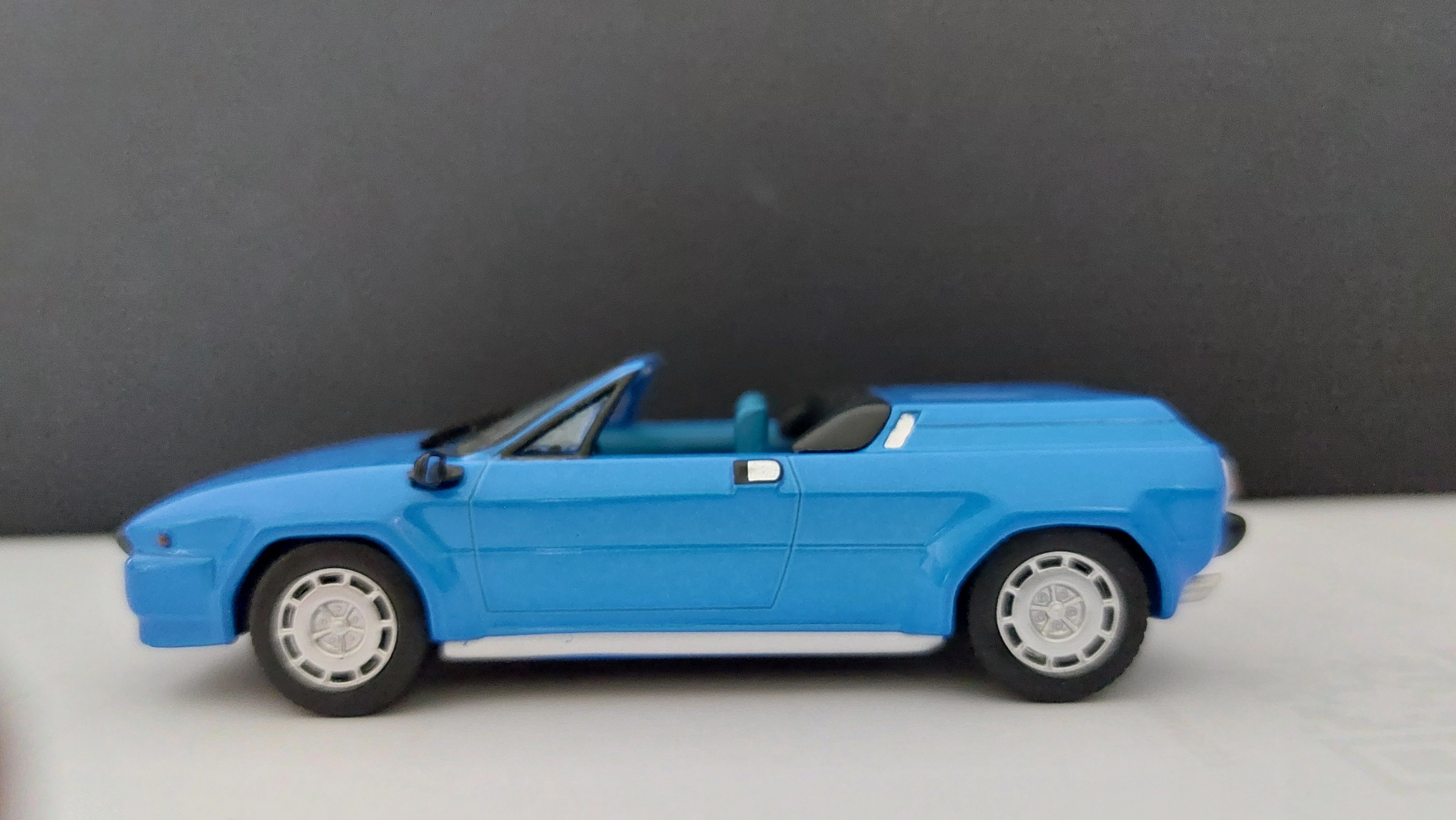
and sporty appearance, linking it visually to the brand's flagship supercar. - Only one Lamborghini Jalpa Spider was ever built. This unique convertible version of the Jalpa remains a one-off prototype and is currently housed at the
Ferruccio Lamborghini Museum, making it a true hidden gem of Lamborghini history.
Legacy : The End of an Era
When Chrysler acquired Lamborghini in 1987, the Jalpa was after 410 units quietly phased out to refocus the brand on its V12 halo models. As such, it marks the end of an era: the finalLamborghini developed entirely before major corporate influence.
Long overlooked in favor of the Miura or Countach, the Jalpa has recently found a cult following among enthusiasts who appreciate its unique blend of usability, rarity,
and raw 1980s charm. Today, it stands as a misunderstood but deeply lovable chapter in Lamborghini’s story.
The Lamborghini Jalpa stands as a testament to Lamborghini’s ability to combine cutting-edge technology with bold design. Though overshadowed by other models in the
Lamborghini lineup, it is undeniably a car that turns heads—whether you’re cruising down the street or taking it to a show. Its unique blend of elegance, performance,
and rarity makes it a perfect choice for collectors and enthusiasts alike.
Owner Spotlight : Tom’s 1984 Jalpa – A Red Rarity on Belgian Roads
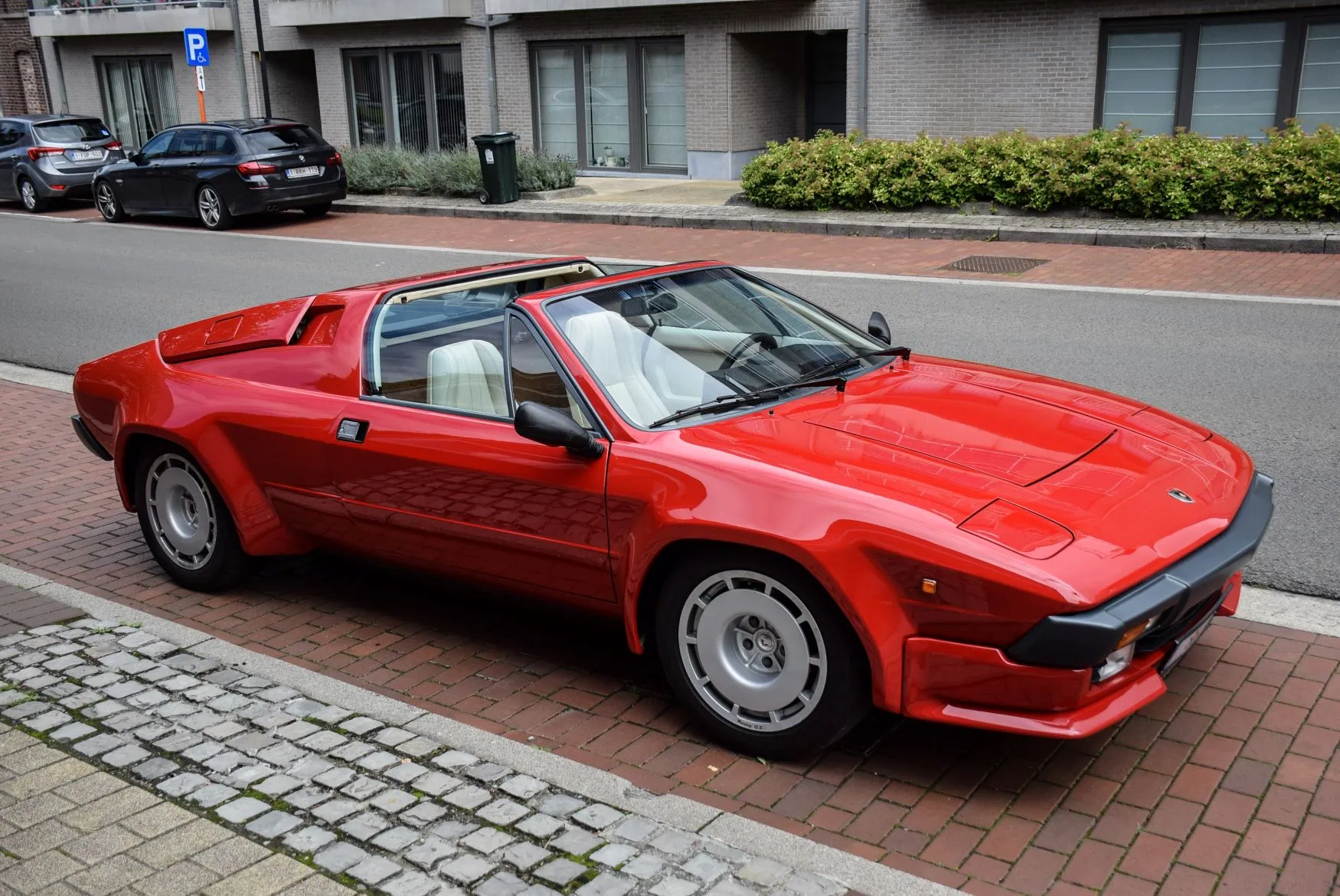
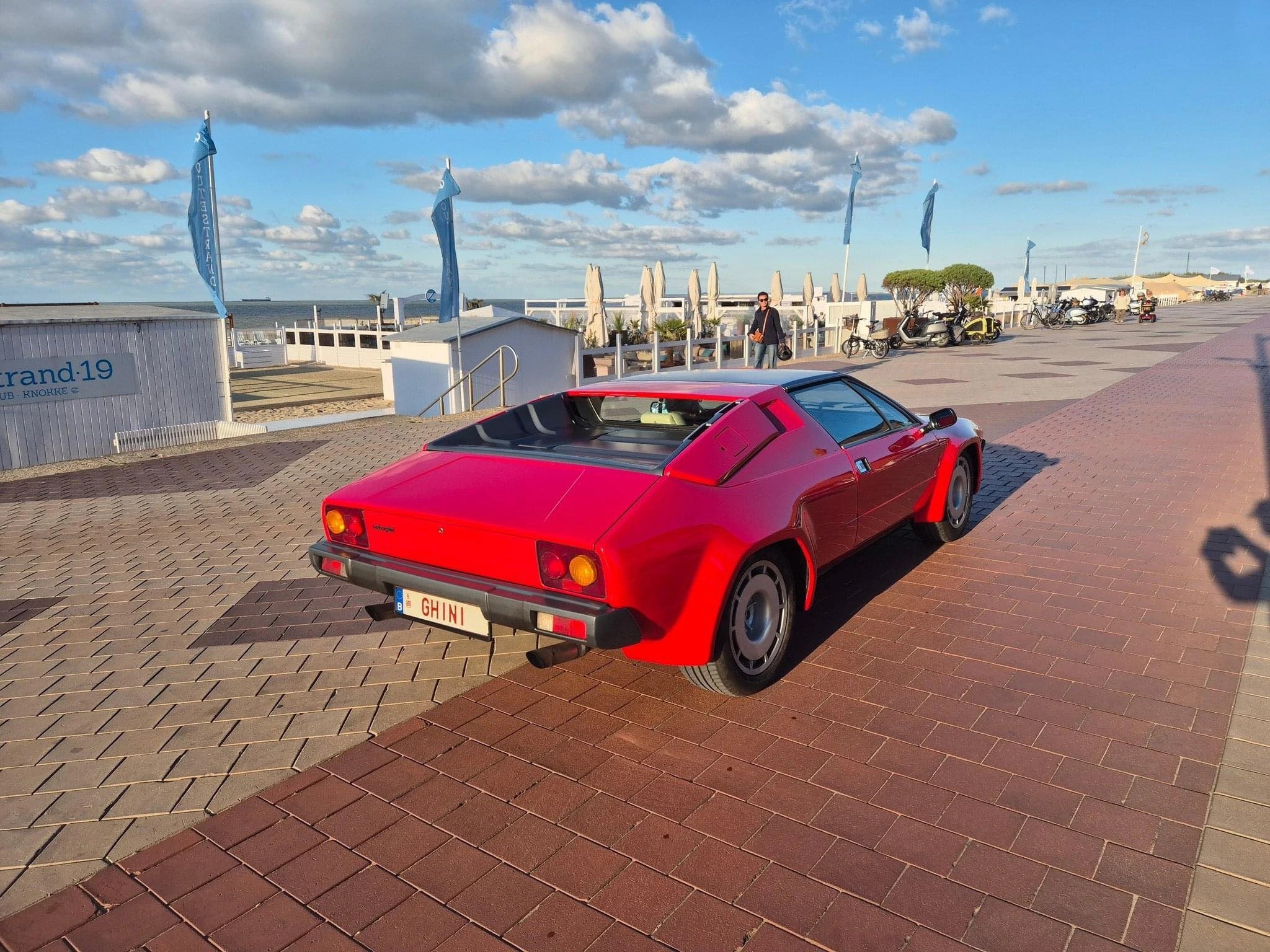
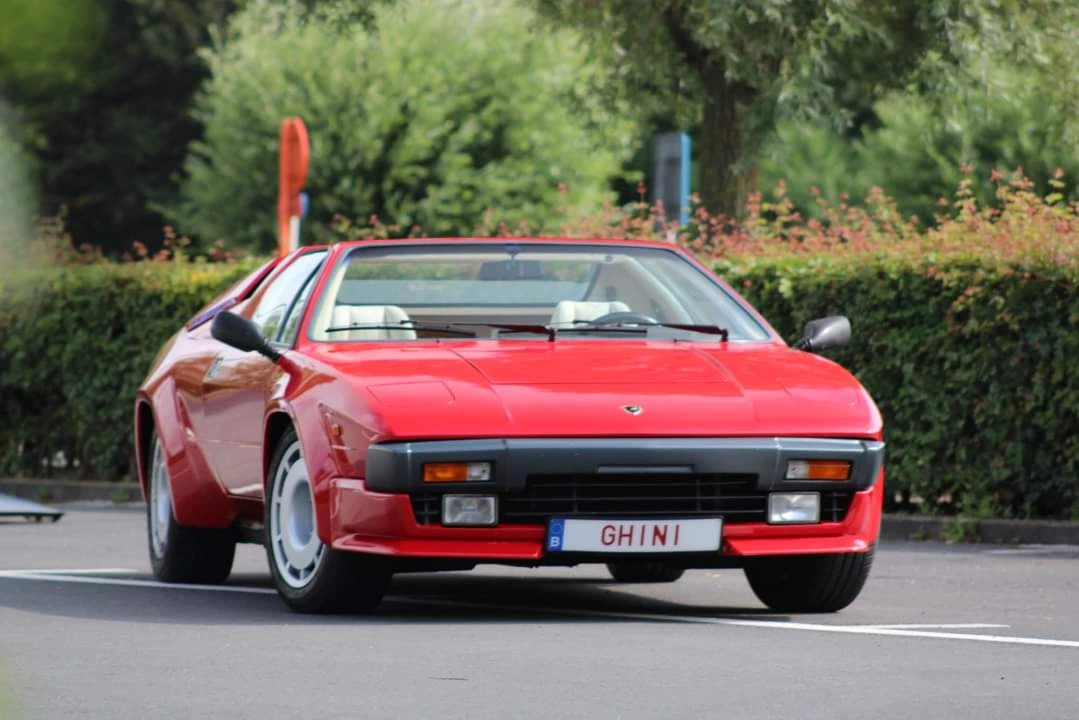
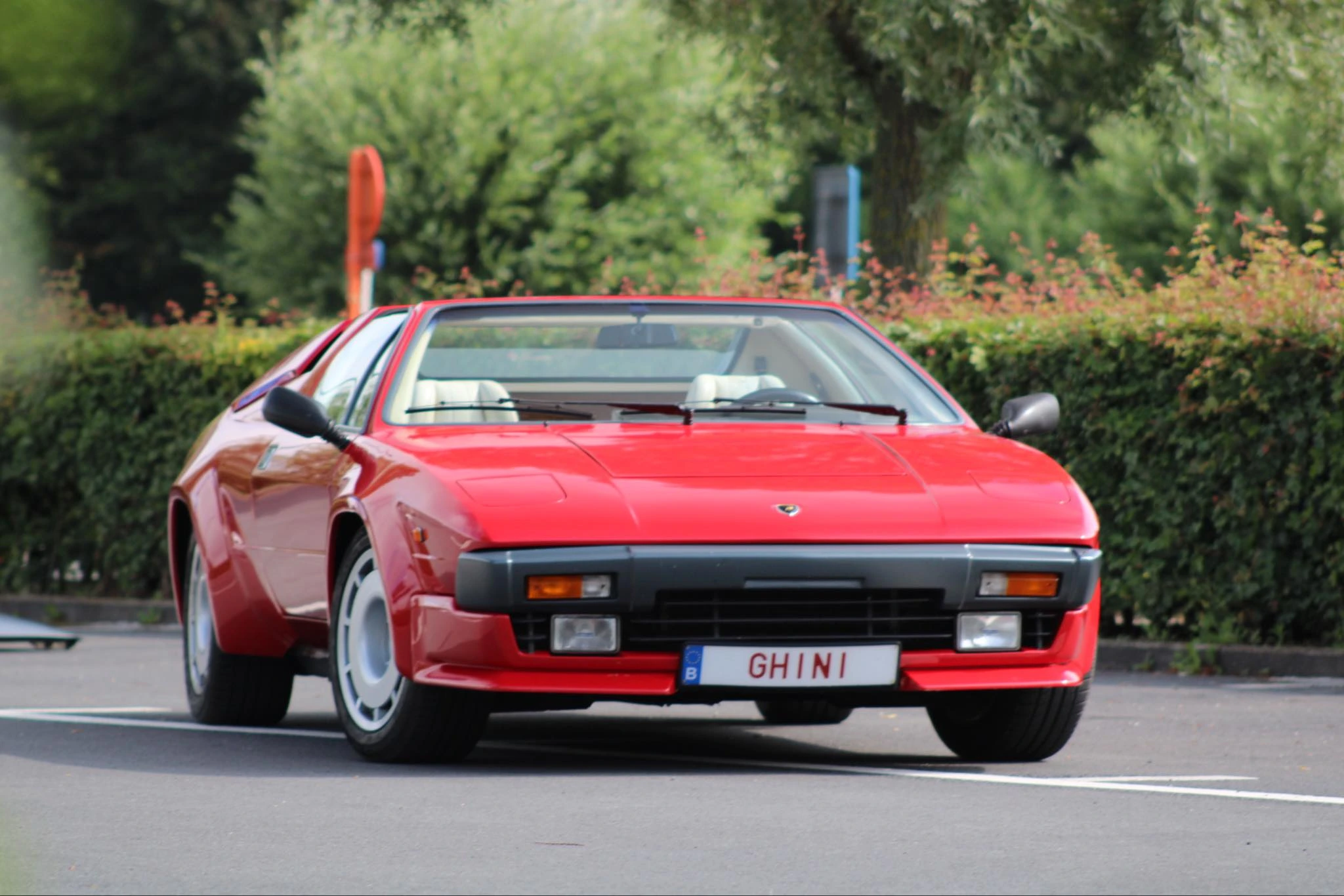
While most Jalpa's are tucked away in private collections or resting under covers, one roams freely across Belgium—turning heads, starting conversations, and remindingonlookers that Lamborghini once dared to do something different.
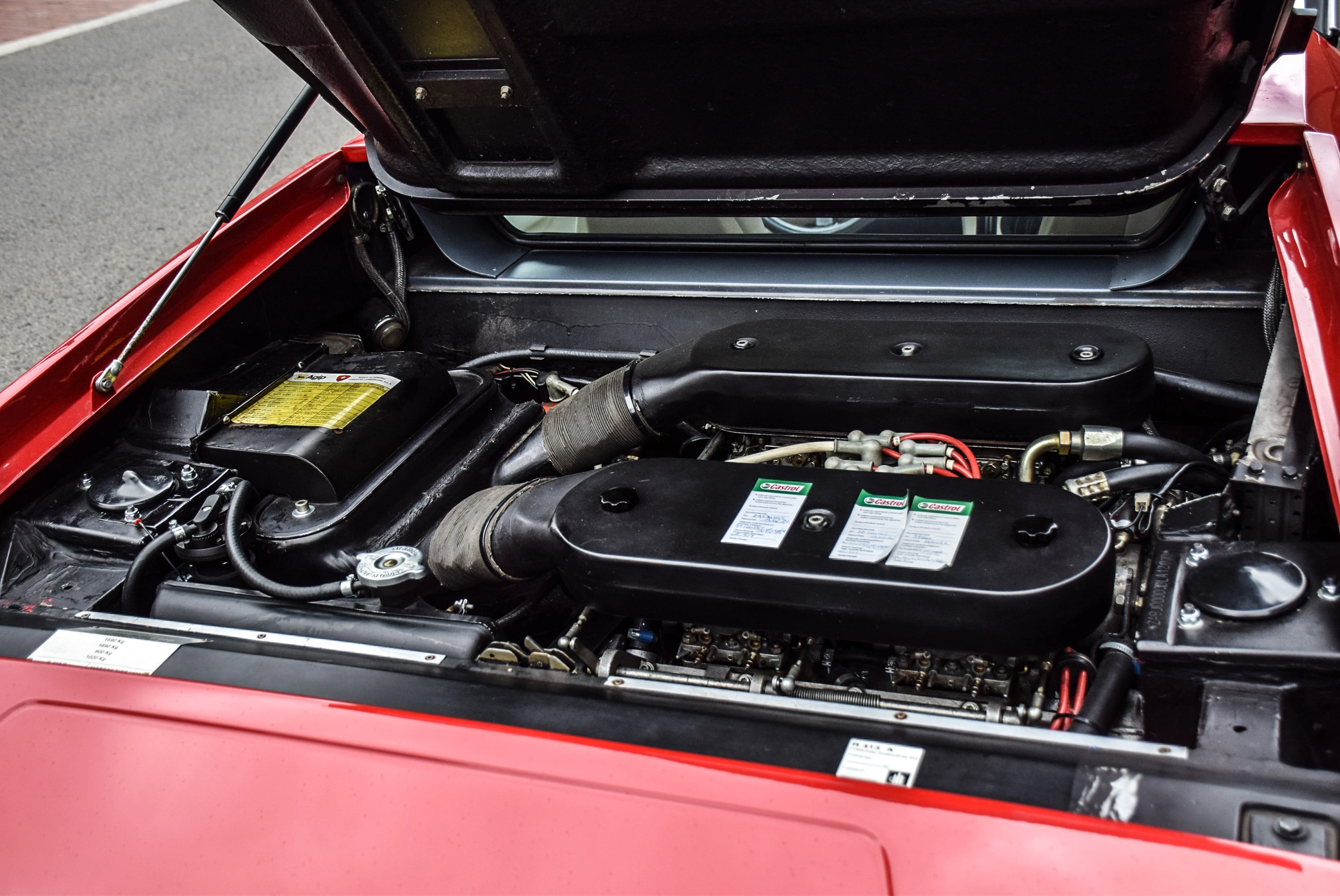
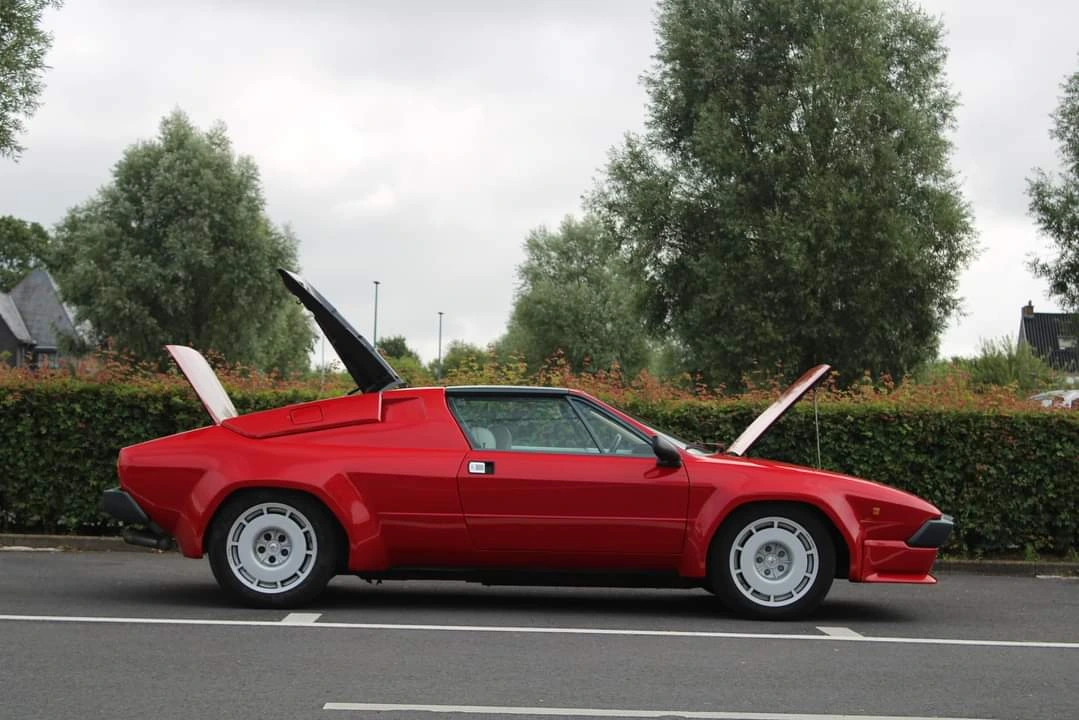
Tom’s personal Jalpa, a 1984 example, wears a stunning red coat that contrasts beautifully with its rare beige interior. Adding to its unique character is the grey engine
cover and roof, creating a subtle two-tone effect that accentuates the car’s dramatic silhouette.
Far from being a trailer queen, this Jalpa is regularly driven. Whether it’s heading to oldtimer exhibitions or sunny weekend cruises, it thrives on movement. And wherever
it goes, it never fails to spark curiosity. In a country where Jalpas are seldom seen, Tom’s car is a rolling piece of Lamborghini history rare, elegant, and full of life.
What makes this Jalpa truly special is not just its color combination or condition, it’s the joy it brings, the memories it makes, and the way it stands as a testament to a
different kind of Lamborghini spirit: one that balances boldness with approachability, and exotic flair with everyday passion.
The the pictures of the Jalpa, beside the blue spider, are from my personal car.
Specifications
| Category | |
|---|---|
| Production | 1981–1988 |
| Build | 410 units |
| Designer | Marc Deschamps (Bertone) |
| Engine | 3.5L V8 DOHC, 90° |
| Power Output | 255 Bhp at 7000 rpm (EU version) |
| Torque | 305 Nm (225 Lbs.ft.) at 3500 rpm |
| Transmission | 5-speed manual |
| Drive Type | Rear-wheel drive |
| Acceleration (0–100 km/h / 0–62 mph) | 6.0 sec |
| Top Speed | 248 km/h (154 mph) |
| Length | 4330 mm (170.5 in) |
| Width | 1880 mm (74 in) |
| Height | 1140 mm (44.9 in) |
| Wheelbase | 2450 mm (96.5 in) |
| Weight | 1510 kg (3329 lbs) |
| Fuel Capacity | 80 Liters (21.1 Gallons) |
| Wheel Type | Campagnolo alloy wheels |
| Tires | Front: 205/55 VR16 Rear: 225/50 VR16 |
| Tire Brand / Type | Pirelli P7 |
| Chassis | Steel monocoque with rear tubular subframe |
| Front Suspension | Independent, MacPherson struts, coil springs, telescopic dampers, anti-roll bar |
| Rear Suspension | Independent, MacPherson struts, coil springs, telescopic dampers, anti-roll bar |
| Brakes | Ventilated discs front and rear |